Automation, connectivity and charging for smart factories. Industrial Robotics
Components, power, connectivity and commissioning for AGV, AMR, cobot and fixed-automation deployments. From warehouse automation cells to pick-and-place lines,...
ILMEANAMETFESTOADVANTECHXNERGYINDUSTRIAL-GRADE CONNECTIVITYEDGE AIIIoTMODBUS TCPOPC-UACAN BUSILMEANAMETFESTOADVANTECHXNERGYINDUSTRIAL-GRADE CONNECTIVITYEDGE AIIIoTMODBUS TCPOPC-UACAN BUS
SYSTEM METRICS · LIVE BENCHMARKS
◈
98.7%
System Uptime
across deployments
⟐
<2ms
Response Latency
edge processing
⬡
500+
Active Installations
global fleet
◉
ISO 26262
Certified Safety
ASIL-D rated
Industry Overview
Automation in modern manufacturing
Robotics and automation now let manufacturers run with a level of precision, throughput and round-the-clock operation that was difficult to achieve ten years ago.
Haflinger Technologies supplies and integrates motion systems, industrial connectivity, electrification and control for smart factories.
From autonomous mobile robots (AMRs) to high-speed production lines, our solutions are engineered to enhance productivity, reliability, and operational efficiency across complex industrial environments.
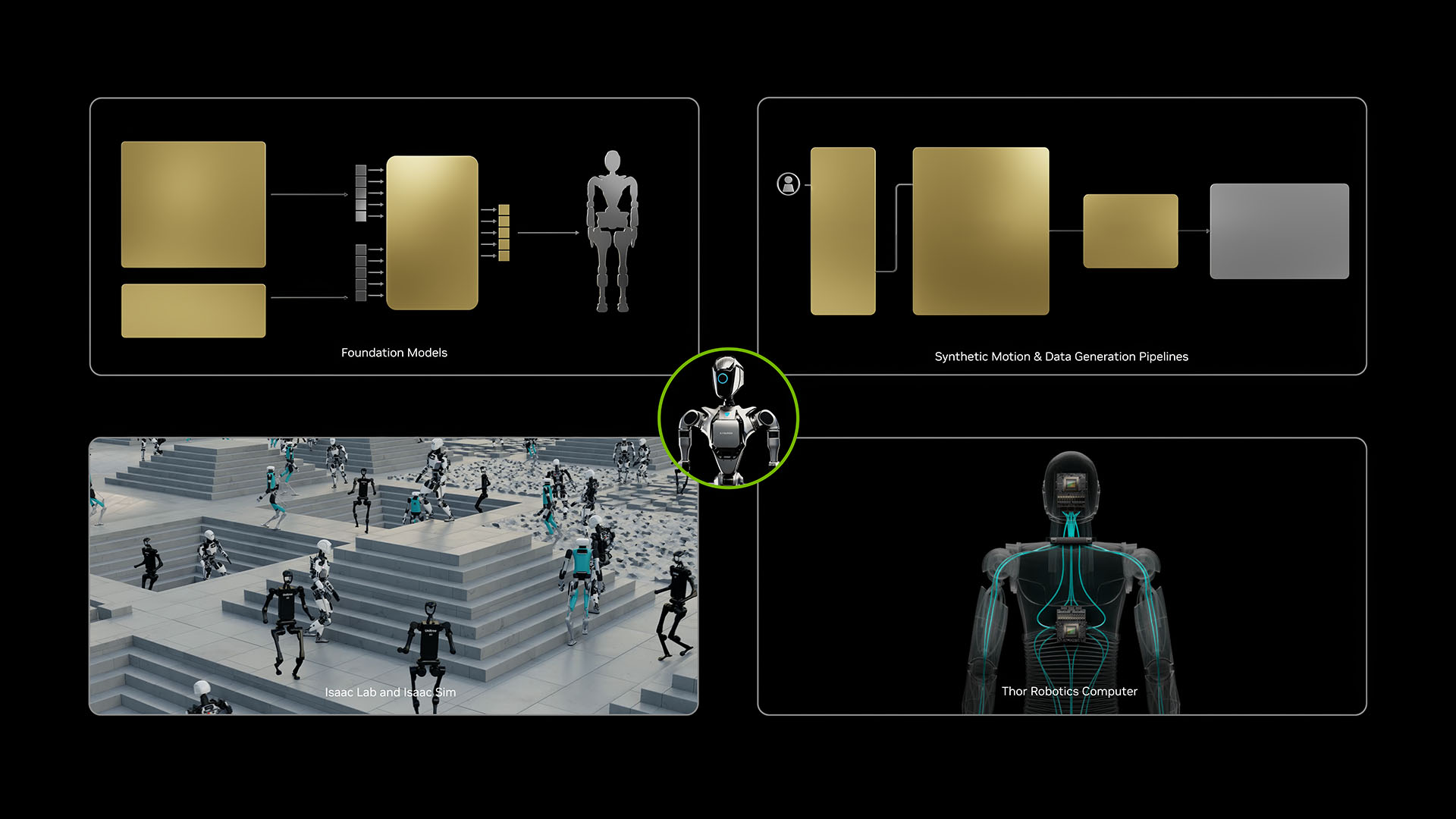
Through our collaboration with OpenMind Robotics, Haflinger Technologies extends its industrial robotics capabilities with AI-powered robotic automation, vision-embodied intelligence, and digital-twin technologies for logistics, manufacturing, and smart-factory applications.
Application Catalog
Robotic automation, proven before it is installed
Robot cells for material handling, logistics and quality inspection. Each one is designed, programmed and validated in a digital twin of your facility, so you know how it will perform before you invest. Filter by solution area to find the cell closest to your process; every application can be adapted to your parts, your robot brand and your floor space.
6
Proven applications
Unlimited
Solution areas
ISO 23247
Digital twin framework
OPC UA
Real-time connectivity
01 · Material Handling
Bin Picking
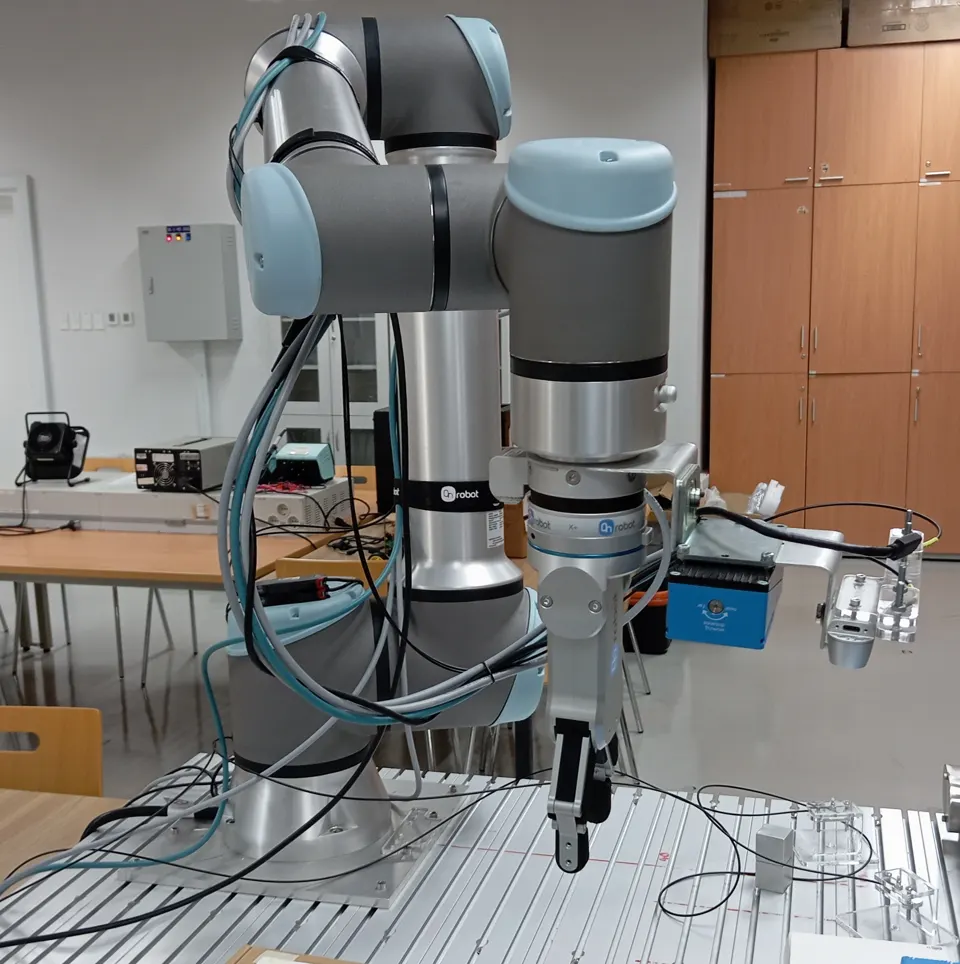
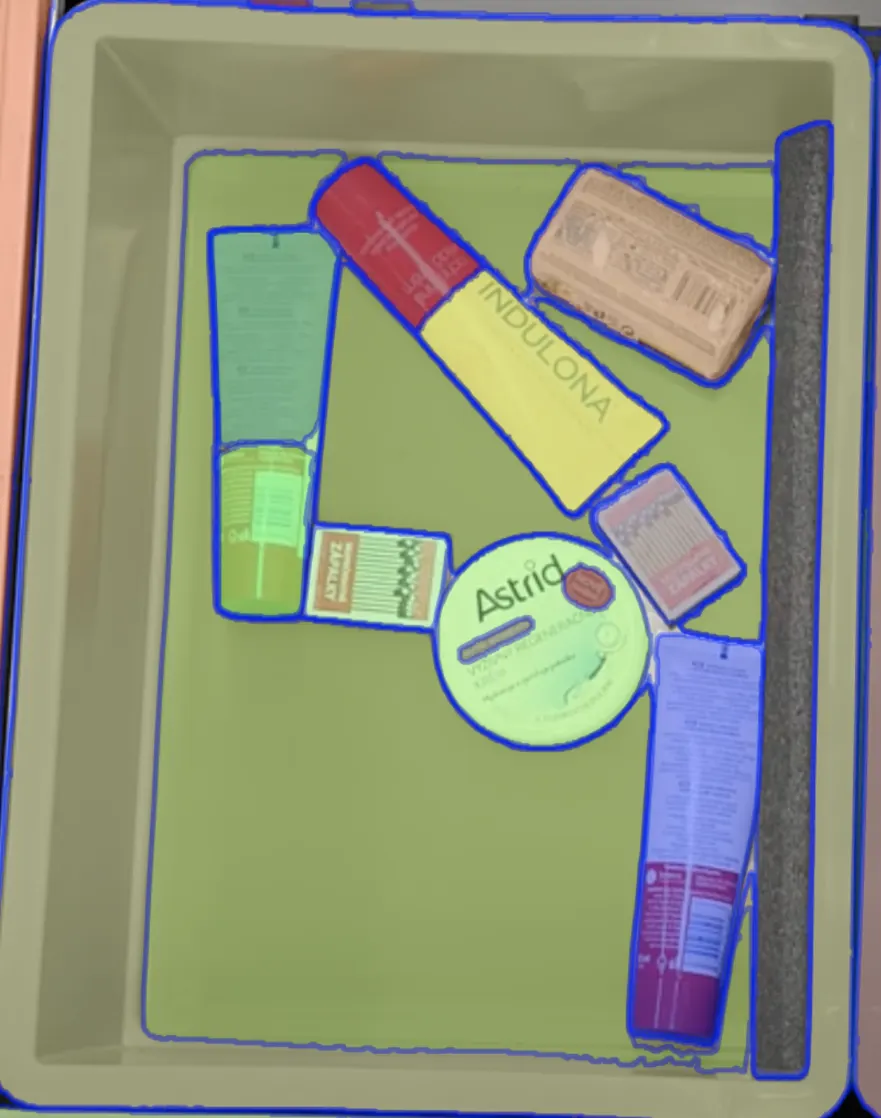
A collaborative arm works in a compact cell, locating randomly placed parts with 3D vision and transferring them between bins without fixtures or manual teaching.
A pilot project with Gradion demonstrating AI-powered bin picking integrated with autonomous material flow. A robot picks parts from bins while an AMR autonomously docks, collects finished bins, and delivers them to the next station.
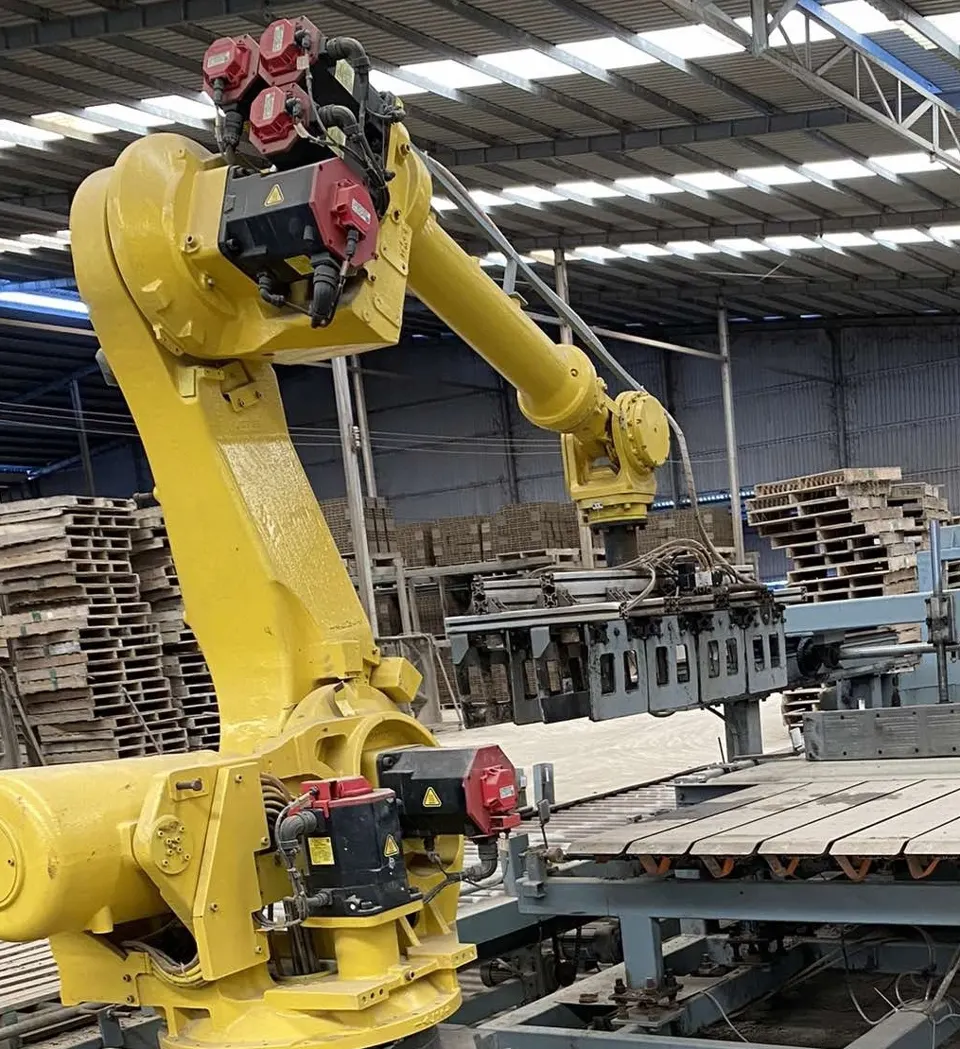
An autonomous mobile manipulator picks cartons from the conveyor and builds stable pallet patterns, moving between stations as demand shifts across the line.
A mobile robot scans an engine block from multiple viewpoints, fusing RGB and depth data to detect surface cracks and defects that are hard to catch by eye.
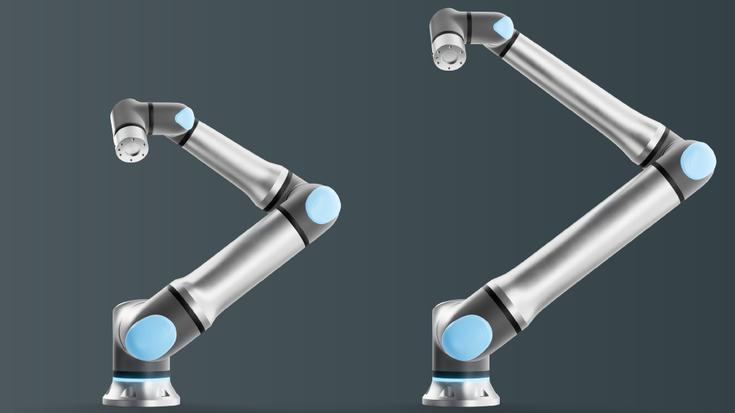
A UR10e on an autonomous mobile base travels to the line, picks parts from bins and feeds the next process, bringing flexible automation to brownfield factories.
A virtual replica that moves exactly like the real robot
Digital twinPhysical robot
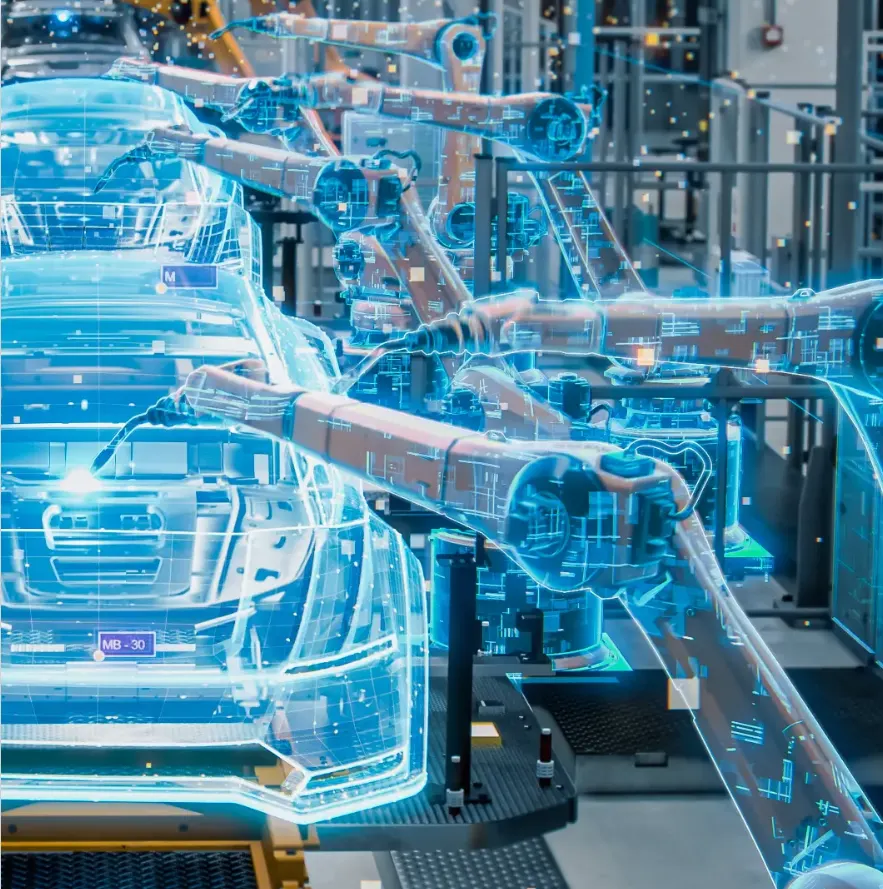
A Digital Twin (DT) is a virtual copy of a physical asset, whether a robot, a production cell or an entire process, that stays synchronized with it in real time.
As a core technology of Industry 4.0, Digital Twin gives you far deeper insight into how your equipment is managed and operated. The result is less unplanned downtime and higher production efficiency, from the first day of commissioning through years of operation.
For SMEs
Why Digital Twin matters for SMEs
Small and medium-sized manufacturers cannot afford long commissioning, trial and error on the shop floor or unexpected stoppages. A digital replica of your product or process takes that risk off the table.
Catch problems before they happen
Find collisions, reach limits and bottlenecks in simulation, long before they turn into costly downtime on your line.
Optimize performance
Test layouts, cycle times and robot programs virtually, then deploy the configuration that delivers the highest throughput.
Reduce cost and risk
Fewer on-site iterations, shorter commissioning and predictive maintenance keep both capital and operating costs under control.
One source of truth for every team
Engineering, operations and management share the same live model and data, so decisions are faster and better informed.
How we work
Digital Twin Commissioning, from idea to running cell
A clear, four-step path that lets you see your automated cell working before any hardware is ordered.
01
Share your process
Send us a short video, a floor layout or your cycle-time target. That is all we need to get started.
02
We build the twin
Engineers model your cell, robot, gripper and parts in a physics-accurate simulation.
03
Validate virtually
Reach, cycle time, collision-free motion and safety zones are verified and reviewed together with your team.
04
Deploy and monitor
The validated program moves to the real robot, and the twin stays connected over OPC UA for live monitoring.